Menu

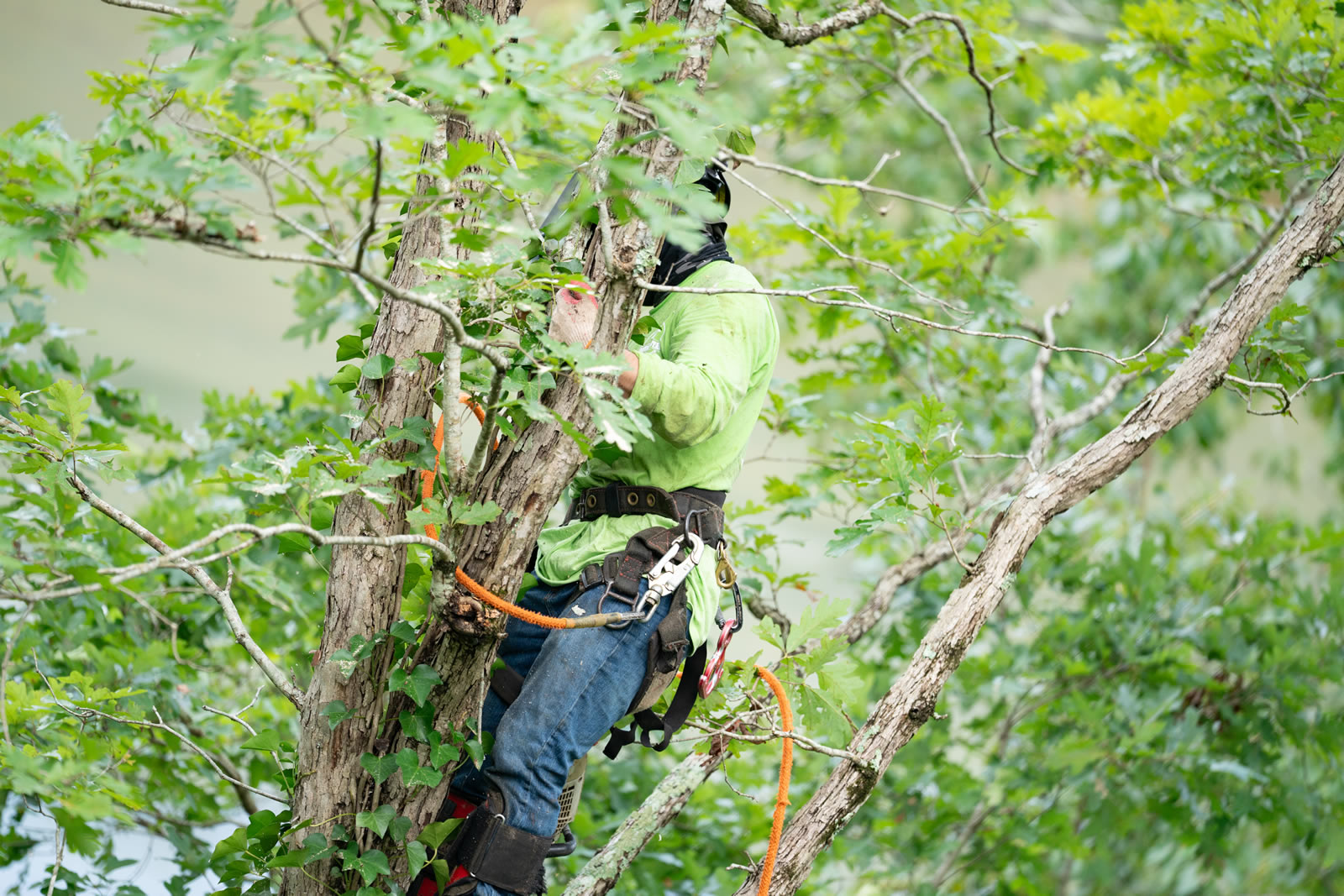
Trees are magnificent and sturdy entities that provide many benefits to our landscapes and the environment. However, they…

Trees are magnificent and sturdy entities that provide many benefits to our landscapes and the environment. However, they undergo many natural cycles throughout the year, from stark winter stillness to vibrant leaf growth. However, a tree that’s not showing signs of life when you expect it to points to a bigger underlying problem. If you are wondering whether it is dormant or dead, consult a reputable tree care company in Atlanta, GA for professional help.
At Southern Star Tree, we understand that it’s not easy to tell the difference at first glance. That’s why property owners should familiarize themselves with the signs of natural dormancy versus a dying tree to determine the right step.
Dormancy is a natural process that allows trees to survive extreme conditions by conserving energy. Most trees enter this period in the fall and extend through the cold months, especially in areas that experience colder climates. Whether you have evergreen or deciduous trees, here are signs of dormancy to look for.
Perhaps the most straightforward and proven way to check for healthy wood is the scratch test. Use your finger or a small sharp object, if necessary, to gently scratch the bark on a branch or trunk. If you detect soft tissue underneath, typically green, your tree is still alive. However, dry and brown wood may point to decay, but this test alone isn’t guaranteed. A tree in your backyard may appear dead during the cold months, but produce leaves once spring returns. It’s important to pair a scratch test with a professional inspection to prevent small issues from escalating into devastating damage and tree removal emergencies.
Even after defoliation, a dormant tree will often have buds at the end of bare branches. Check for healthy, firm, and rounded buds, as they indicate the tree is alive. If the branches don’t have buds or appear dry, it may be time to call a certified tree service for an evaluation. Although evaluating buds is one of the proven methods for identifying whether a tree is preparing for growth or showing signs of deterioration, hiring a certified arborist can help.
Another proven method for determining whether a tree is dormant or dead is bending a few smaller branches with your hand. Flexible limbs that bend seamlessly without breaking indicate signs of life. Conversely, brittle branches that snap easily may point to a dead or dying tree. Take time to test several areas, as a few dead branches are not unusual, especially after pest damage or winter storms.
Sometimes, a tree might not be dormant and shows signs of deterioration. In such cases, you are likely to see one or more symptoms that prompt immediate attention. These telltale signs of a potentially dead tree on your property include peeling or cracked bark, no foliage in spring, fungus or mushrooms growing around the trunk, and severe leaning. While these issues may not raise concerns at first, delaying professional intervention can lead to costly tree removal.
The most effective way to deal with a dead tree is to call the ISA-certified arborists at Southern Star Tree for an inspection. Our experts can confirm whether your tree is dying, dead, or dormant and recommend the best course of action. Contact us today to schedule a consultation with our experts and learn the difference between a dormant and dying tree. We can help you evaluate and care for your trees throughout the course of their life.


.webp)